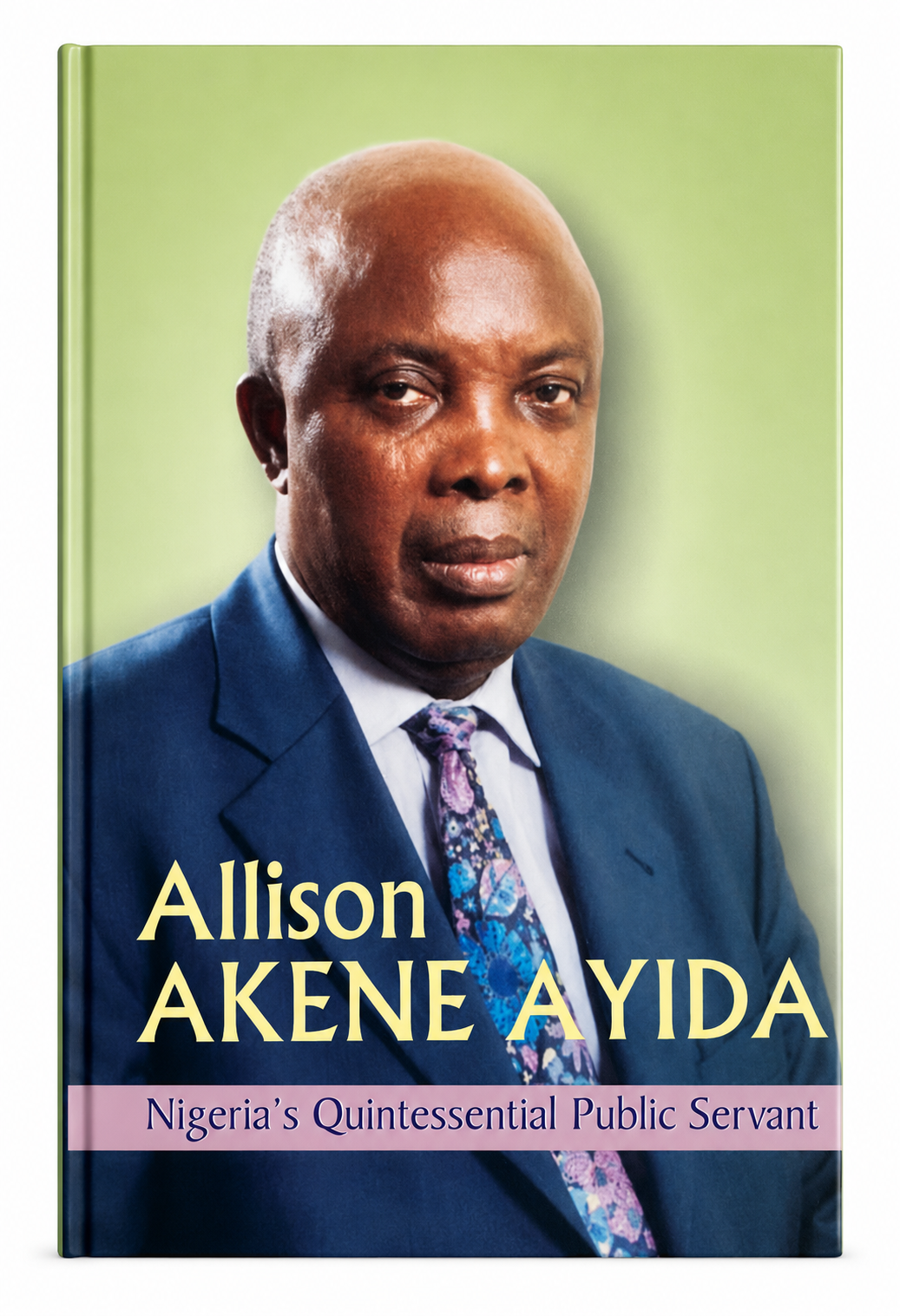
Description
Foreword
The Administrator of the East Central State, Mr. Ukpabi Asika, was at the theatre of the war with General T. Y. Danjuma when the broadcast was made. The message included instructions to Federal troops on how to treat civilians and advised members of the public to approach Federal forces for assistance where necessary.
During my flight back to Lagos, I reflected on the events of the day and wondered whether we had inadvertently pre-empted the broadcast of the Head of State, considering that he had just succeeded in putting down a major revolt.
Upon arrival at the airport, a military vehicle conveyed me directly to Dodan Barracks, where an all-day meeting was still in progress and preparations were underway for the Head of State’s national broadcast. I drew Philip Asiodu aside and informed him of what I considered to be the “blunder” we had committed in Enugu.
As was characteristic of him, he quickly calmed my concerns and asked:
“Do you know what we should do?”
“No,” I replied.
“We should incorporate some of the salient points from Asika’s broadcast into General Gowon’s speech.”
That was exactly what was done. After General Gowon had completed his address to the nation, I briefed him fully on the circumstances. His response was both reassuring and memorable:
“Honestly, I trust you boys. Our thinking is now the same.”
Mr. Ayida subsequently became Secretary to the Federal Government following the sudden death of Mr. Abdul Aziz Atta. He served in that position with distinction and was retained by the Murtala Administration until 1977.
Asiodu, however, had been retired by the incoming administration in August 1975. With his departure, I suddenly felt isolated and uncomfortable within the service. Nearly all my colleagues, whose methods and temperament I understood so well, had disappeared from the scene.
Fortunately, my lifelong friend, schoolmate, and colleague—both in the Northern Region and later in the Federal Public Service—the late Liman Ciroma, was appointed as Asiodu’s successor. I could not bring myself to abandon him, and so I remained in service for another year before eventually retiring in 1978.
In public service, Mr. Ayida, Asiodu, and I had all come under considerable public scrutiny and, inevitably, controversy. Anything any one of us said was magnified, reported, analysed, and commented upon by the media. This intense public attention almost certainly contributed to the eventual retirement of both Asiodu and Ayida.
When Mr. Ayida was retired, he telephoned me from Dodan Barracks to break the news personally. I was speechless. Immediately afterwards, I made my way to his residence.
In Asiodu’s case, however, we all knew that the events of July 29, 1975, would inevitably sweep him from office, and therefore his departure came as no surprise.
In private life, true to his enduring spirit of service, Mr. Ayida has continued to make himself available to the nation. He has developed extensive business interests and professional connections and has consistently sought to involve me, along with many of our former civil service colleagues, in various initiatives.
Mr. Ayida remains deeply concerned about the future of the country to which he devoted his entire working life and for which he worked tirelessly to defend and preserve. In this commitment, I shall continue to associate myself with him.
This book fills an important gap in the political and social history of Nigeria. I particularly commend it to younger generations of Nigerians who, although aware that a civil war once occurred in their country, may not fully understand its causes, the manner in which it was fought, or the circumstances under which Nigeria’s unity was ultimately preserved.
It is my hope that more works of this nature will find their place on the bookshelves of thoughtful and discerning Nigerians.
Ahmed Joda
Abuja
2004

Reviews
There are no reviews yet.